

Specialized U-Line Appliance Repair in San Francisco
Mon–Sat: 8:00 AM – 7:00 PM
A good interior clean takes twenty minutes and the right materials. The wrong cleaner can cloud shelves and stiffen a gasket for good.
The inside of an undercounter refrigerator ends up holding more than food. It collects sticky drips from bottle bases, a layer of dust that rides in on cold air, and the faint smell of whatever spilled six months ago. A good clean prevents odors and also protects the parts you cannot easily replace, like the door gasket.
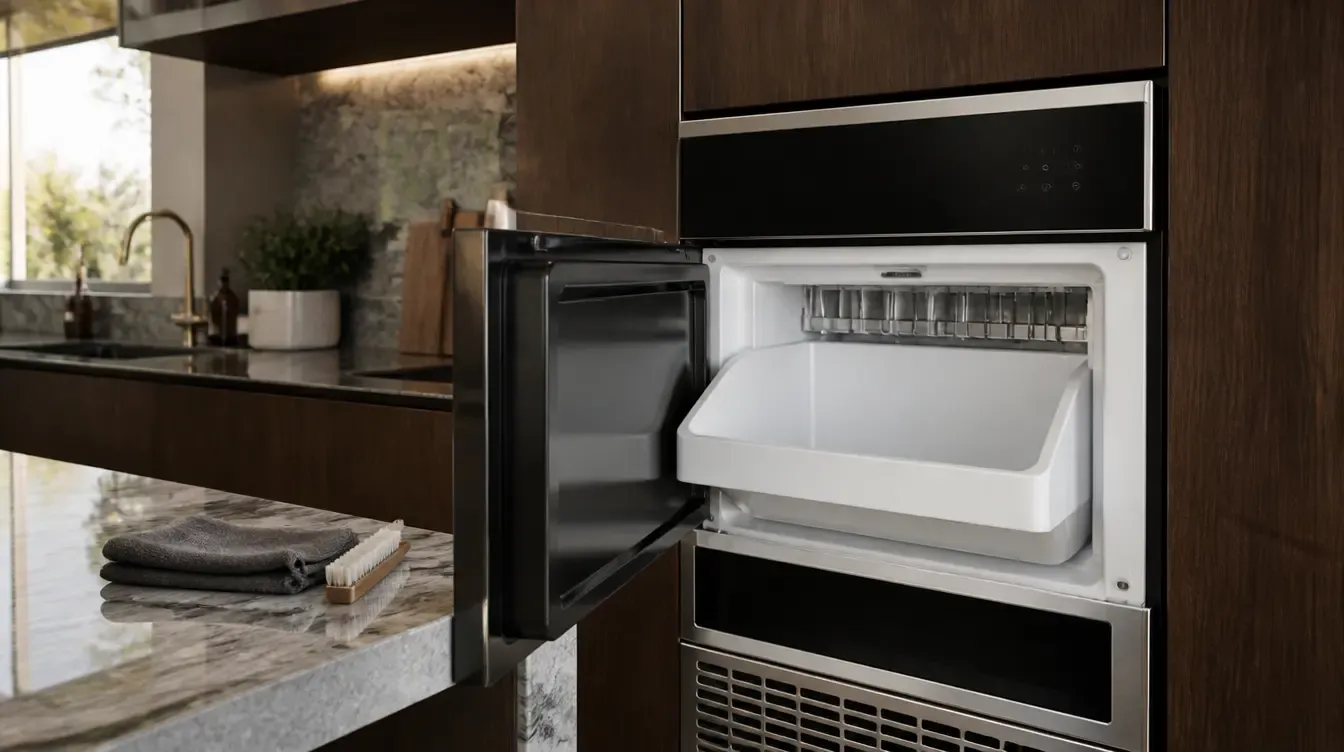
Switch the cabinet off at its control or unplug it, depending on the model, and take out the contents. Put anything perishable in a cooler. Switching off matters for two reasons: you will have the door open longer than usual, and wet cloths near a running cabinet are best avoided.
For materials, you need warm water, a few drops of mild dish soap, two soft cloths, and a dry towel. A soft sponge works but avoid anything abrasive, including the rough side of a kitchen sponge.
Lift out shelves and trays that are meant to be removed, and wash them in the sink with the same mild soap solution. Let them come to room temperature before washing. Pouring hot water over a very cold shelf can crack it.
Glass and wire shelves rinse clean; trays with grooves may need a soft brush for the corners. Dry everything before it goes back, because water trapped in grooves promotes mildew. If a shelf has a tight track or slot, check that it seats properly when you return it, since a tilted shelf can keep a door from closing.
Work from the top down so drips fall onto surfaces you have yet to clean. Wipe the walls and floor with the soapy cloth, then go over everything again with a cloth wrung out in plain water. Leftover soap film attracts dust and can leave an odor of its own.
Take your time in the corners and around any drain opening at the floor of the cabinet. If the cabinet has a floor drain, it should remain clear; look at it but do not push tools into it. A pooled film of water at the bottom might mean the drainage path needs service.
Avoid sprays that contain bleach, ammonia, or strong solvents. They can damage plastic liners and leave residue that food may pick up. Baking soda dissolved in warm water is a gentle deodorizer for stubborn smells.
The gasket is the soft rubber seal around the door. Its folds collect crumbs and sticky film, and if left alone those can dry and glue it to the cabinet. Wipe inside every fold with a damp cloth, then dry.
Next, check how it grips. A sheet of paper closed in the door should hold lightly. If it falls out at some points, the seal is not touching there, and cleaning will not fix a worn one. That is a repair question handled under U-Line refrigerator repair.
If your model has a glass or panel-ready front, use a glass cleaner sparingly on a cloth, not sprayed on the door. Overspray runs into the seal and electronics. On controls and displays, use a barely damp cloth and dry immediately.
Stainless exteriors respond best to a cloth and a stainless cleaner that you wipe in the direction of the grain. For beverage products behind glass, see the notes in the U-Line beverage centers guide on keeping airflow paths free while you stock.
Beverage centers collect sugar rings from can bottoms, while drawers gather crumbs in the track along the rim. Pull the drawer fully out only as far as it is meant to go, wipe the visible track with a damp cloth, and leave the slides alone. Glass shelves sometimes show a white cloud after washing. In parts of the East Bay and South Bay the tap water is harder than the soft supply in San Francisco, so a film can dry on the glass; a final wipe with a lint-free cloth removes it before it sets.
An empty cabinet is the one time you can see the lining properly. Look for rust spots, cracked plastic, a loose shelf guide, or a light that no longer works. Check that the drain opening at the floor, where there is one, shows no residue. Write down anything odd, with the date, so that the next time the unit misbehaves you have a comparison. Do not pry at anything that looks loose; just photograph it and keep going.
If a smell returns within days of a clean, the source is probably not on the surface. Dried spills underneath a tray, a leaking container behind the shelf, food residue in the gasket folds, or moisture in the lower part of the cabinet are the usual places. Take everything out, look at the floor of the cabinet and the underside of each shelf, and check the gasket folds on the hinge side where crumbs hide.
A box of baking soda helps with lingering odors but is not a cure for dampness. If you find water pooling or a musty smell that returns, keep the door open between uses and note the pattern for a technician. A cabinet that stays wet inside might have a door sealing or drainage issue that cleaning will not solve.
For an everyday cabinet, a wipe of obvious spills as they happen and a full interior clean every few months is plenty. Beverage cabinets with sticky bottle bases and cabinets near cooking areas collect more and benefit from a quicker cycle. The gasket and the exterior grille can be wiped any time you are in the kitchen with a cloth in hand.
Once everything is dry, replace the shelves, close the door, and switch the unit back on. Wait for it to cool before loading it, and then load it in stages. Expect a short period of extra running as it brings the cabinet back to temperature.
If the cabinet smells even after a clean, or you find standing water, rust or a gasket that is clearly damaged, stop there and hand it over. The technician diagnoses first, puts the estimate on paper, and waits for your go-ahead.
It is best avoided. Mild dish soap in warm water, followed by a plain-water wipe, is safer for liners and seals.
Switch it off or unplug it first, as the model allows, so you are not working with wet cloths near a live cabinet.
Wipe with baking soda dissolved in warm water, rinse, dry well, and leave the door open briefly before restarting.
Cleaning will not repair it. A damaged gasket lets warm air in and is a repair item.
Share a few details and we’ll confirm an appointment. Prefer to talk? Call us and we’ll help right away.